


99 Math Animals
Counting games to times tables · ages 4–10
Count the animals. Draw the answer. Learn the numbers 1–99.

Free to play · No ads · iPhone & iPad
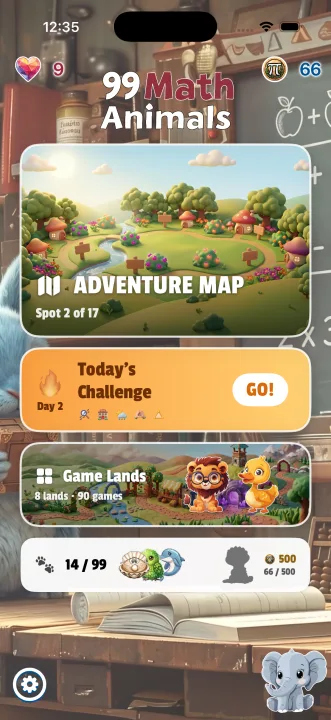
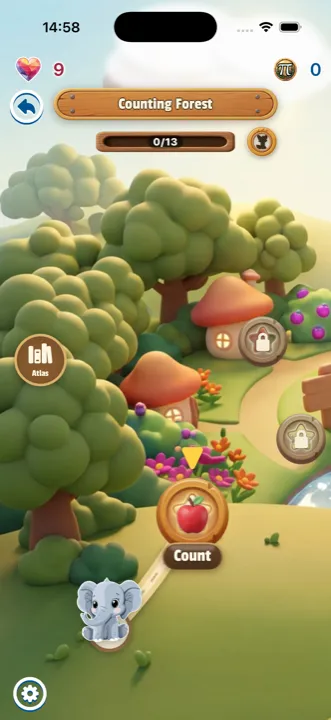
Thirty seconds inside the game
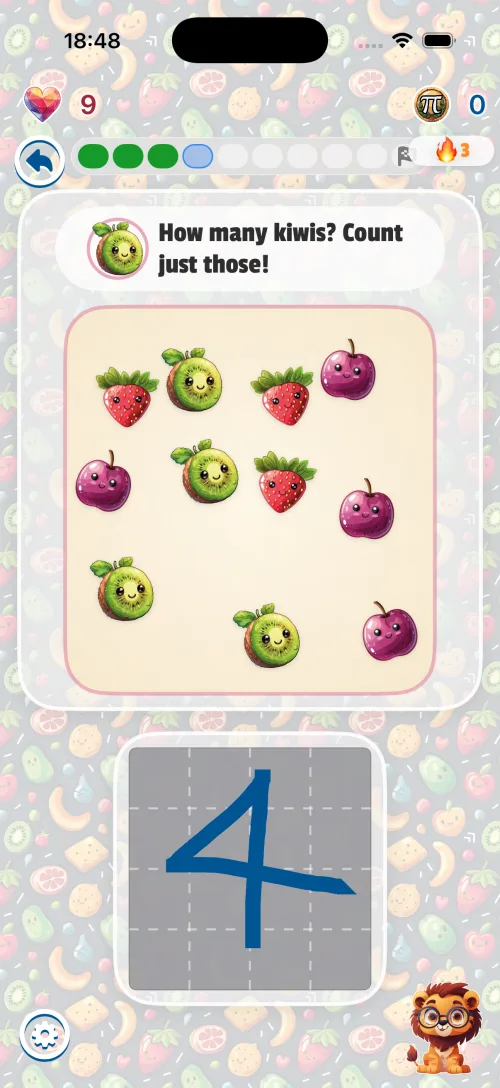
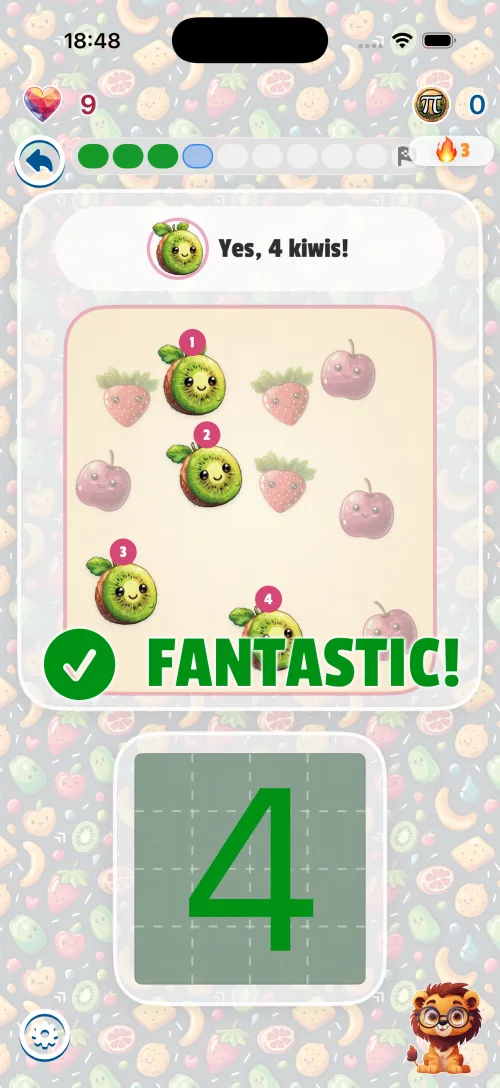
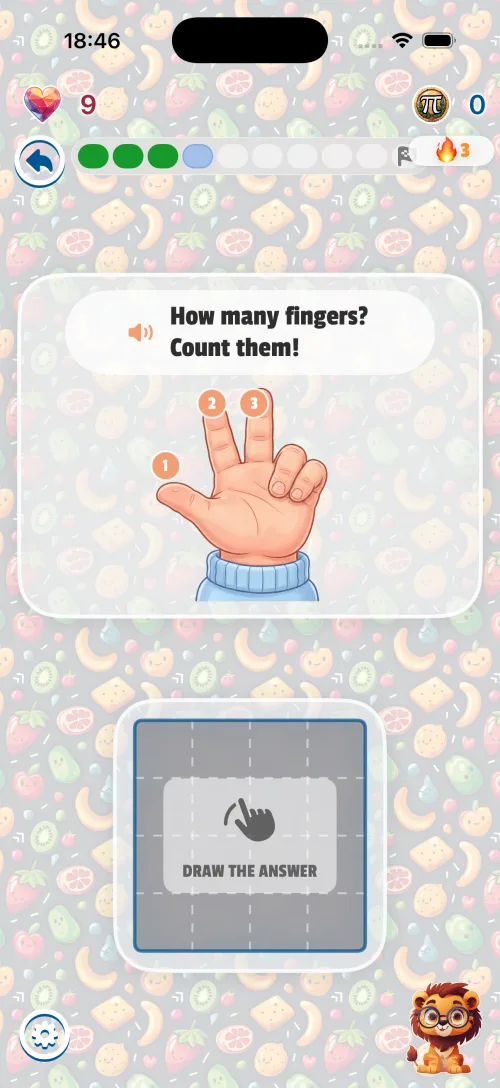
Real gameplay: count the animals, draw the answer by hand, and grow from first numbers all the way to times tables.
Free to play · No ads · No data collected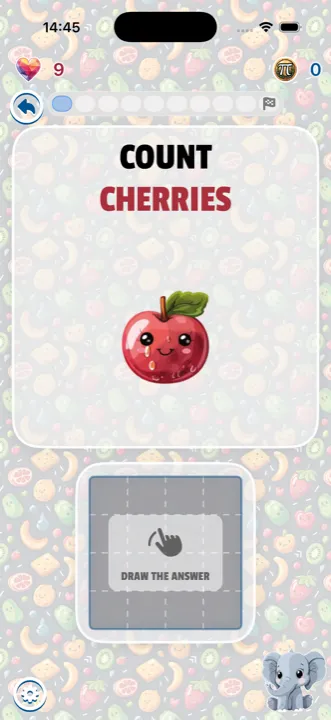
Count the animals, draw the answer
Kids trace the number with a finger and the app reads their handwriting, the same way they write at school. No keypad, no multiple choice, just real practice.
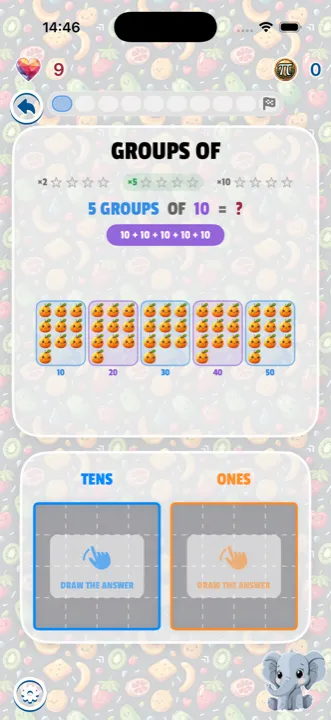
From first numbers to times tables
It starts with counting to 9 for the littlest learners and grows with them: tens and ones, adding, subtracting, and multiplication as groups.
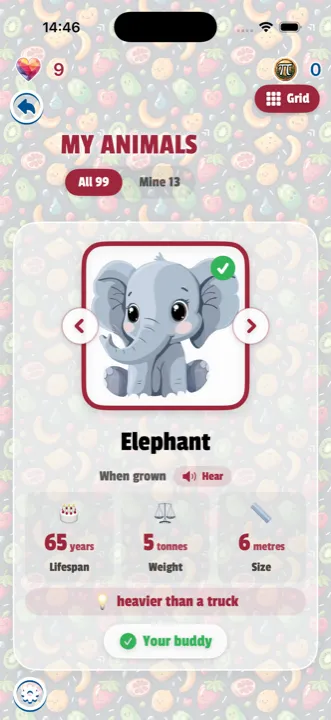
Collect all 99 animal friends
Every win earns a new buddy, each with real facts about how big, how heavy and how long it lives. Learning numbers, and a little about the world.
Real number skills, one game at a time
Learning to count, number recognition, writing digits by hand, and first times tables — the early number sense children meet from preschool through the first school years.
First counting
Counting to 9, number recognition, one-to-one counting.
Bigger numbers
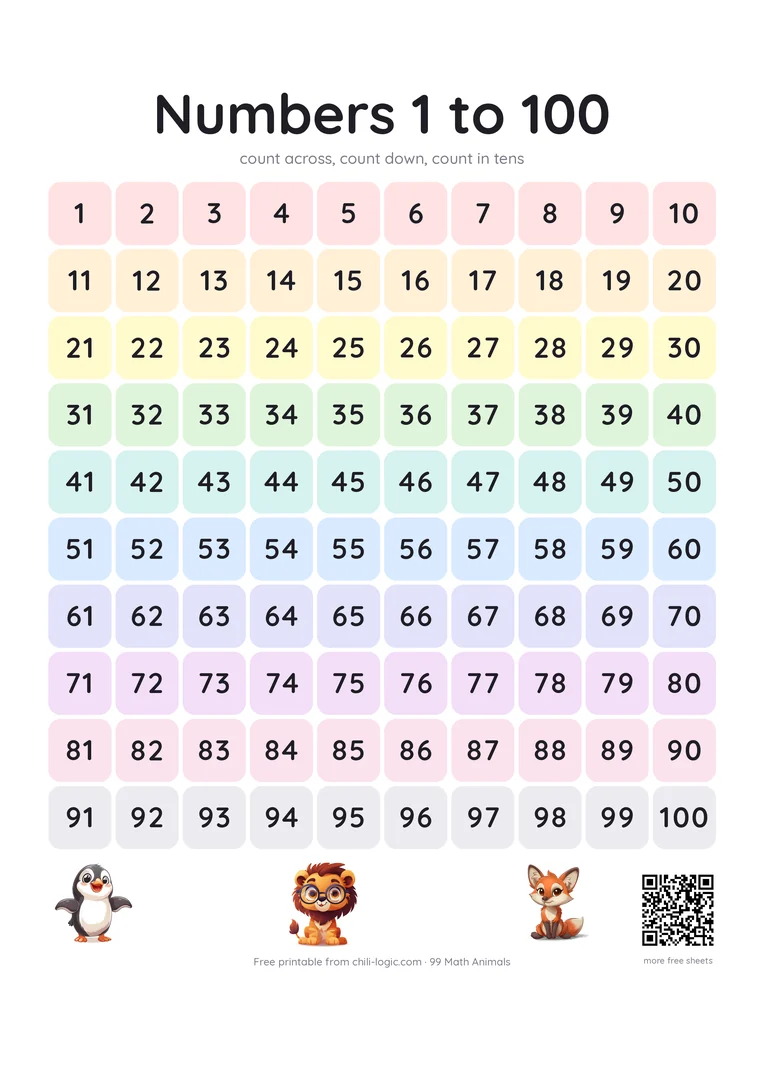
Numbers to 99, tens and ones, writing digits by hand.
Real arithmetic
Adding, subtracting, comparing, and multiplication as groups.
It grows far beyond counting
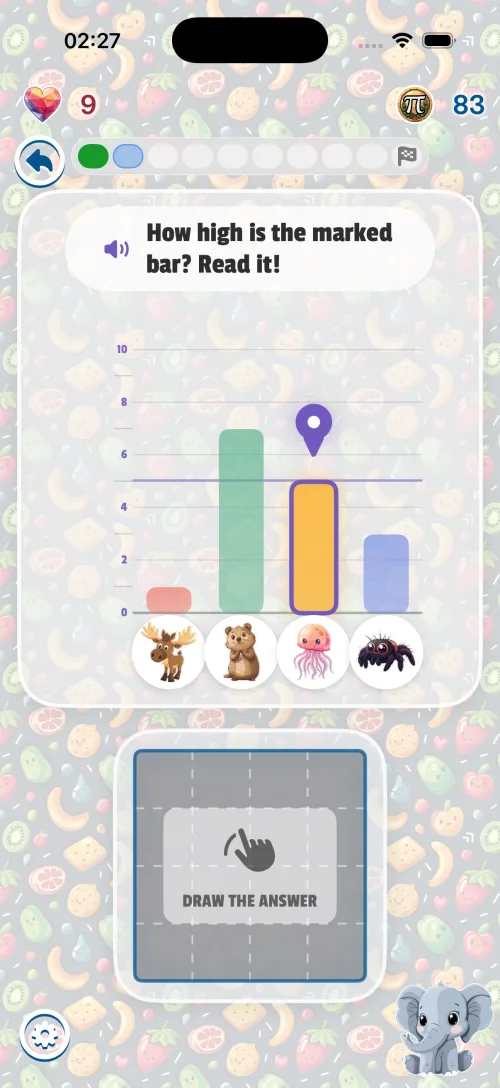
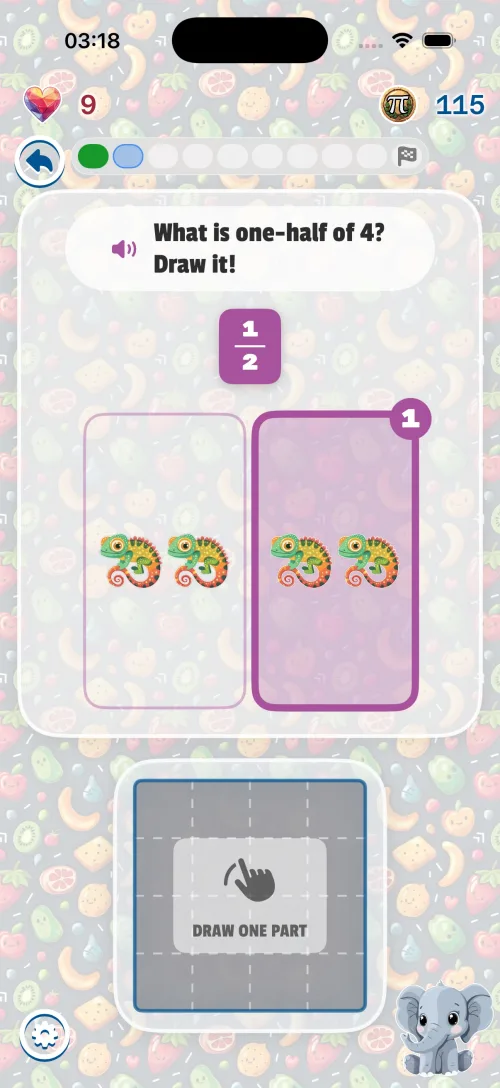
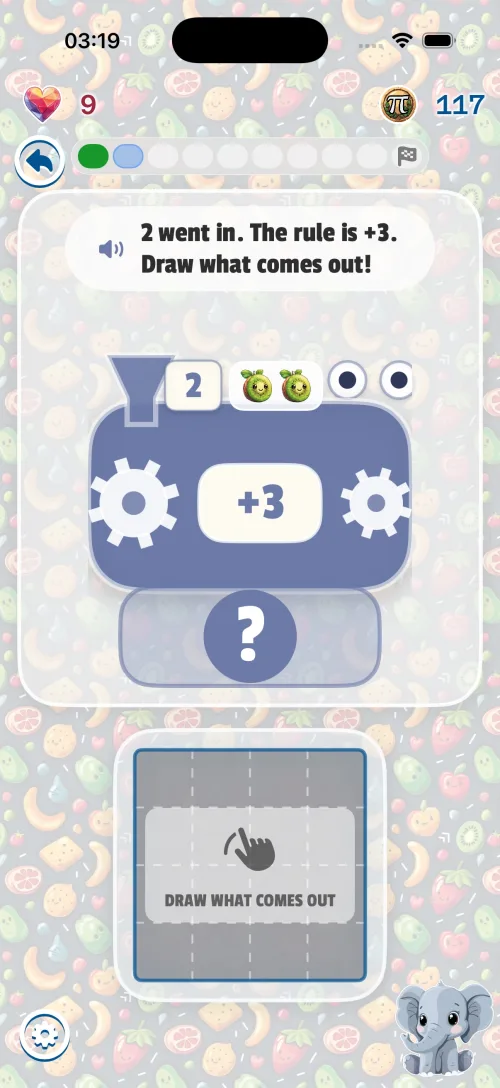
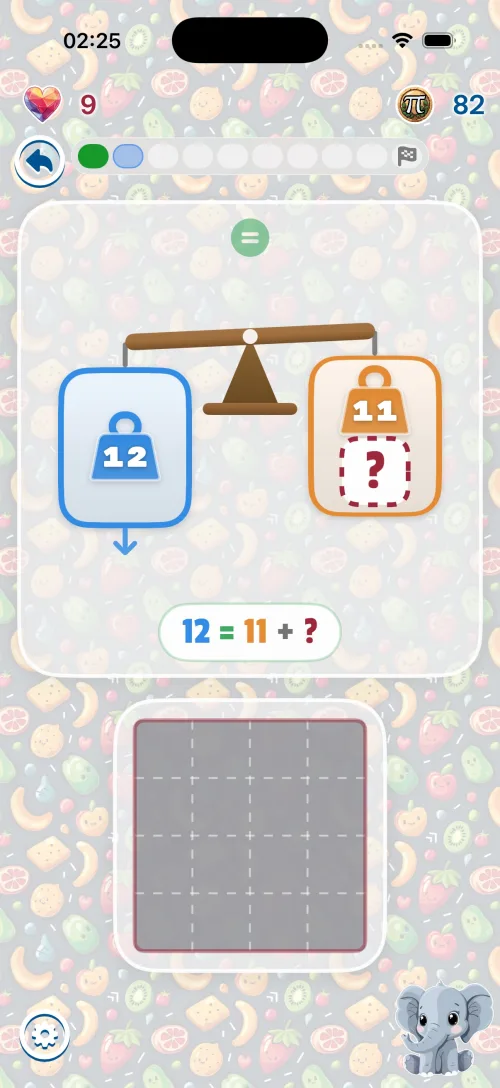
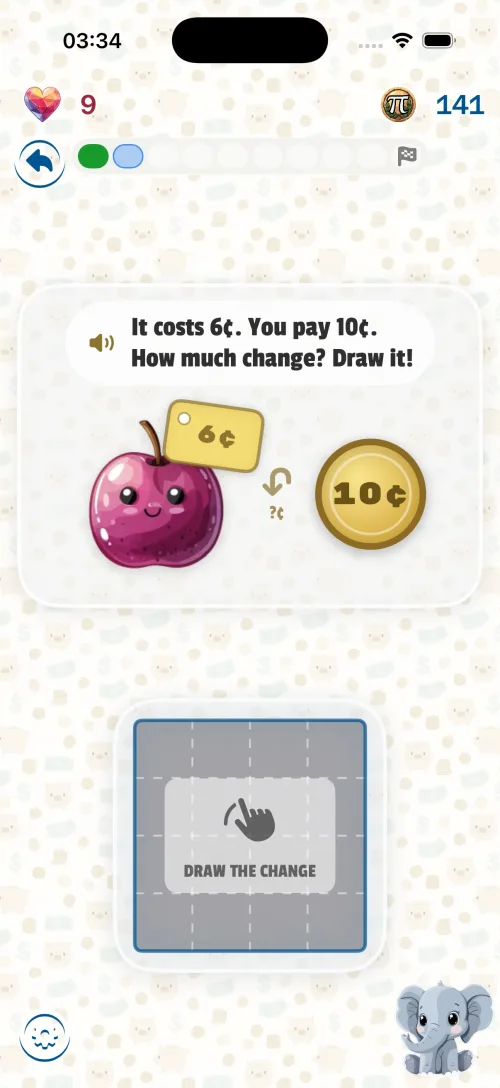
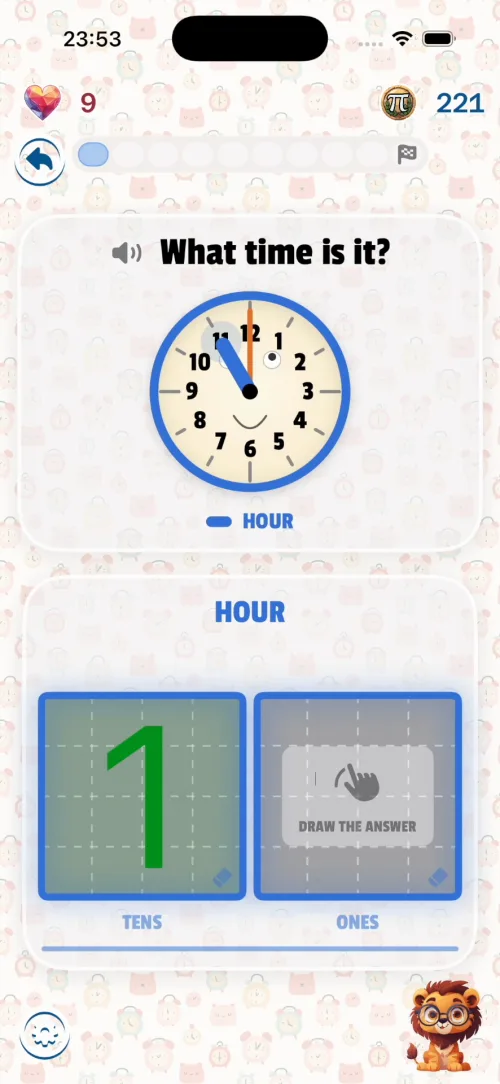
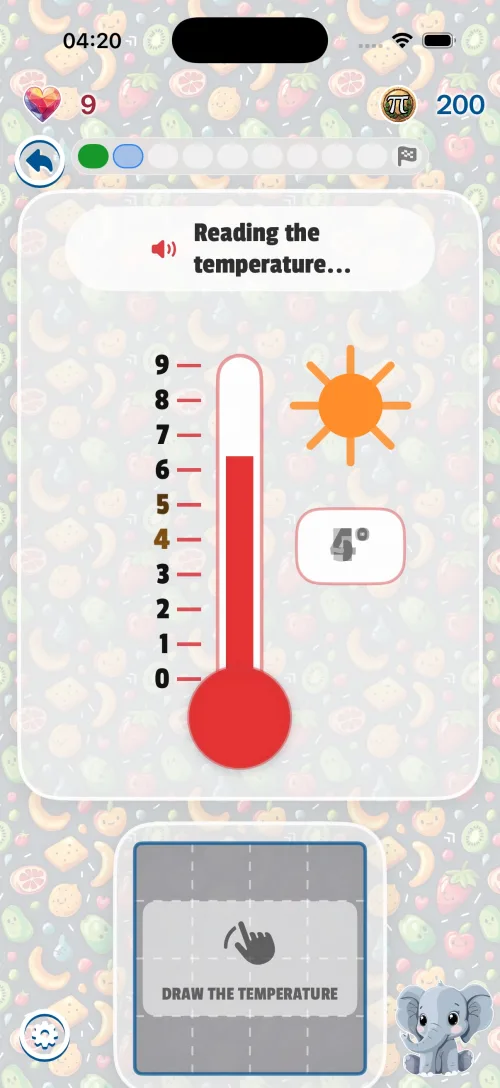
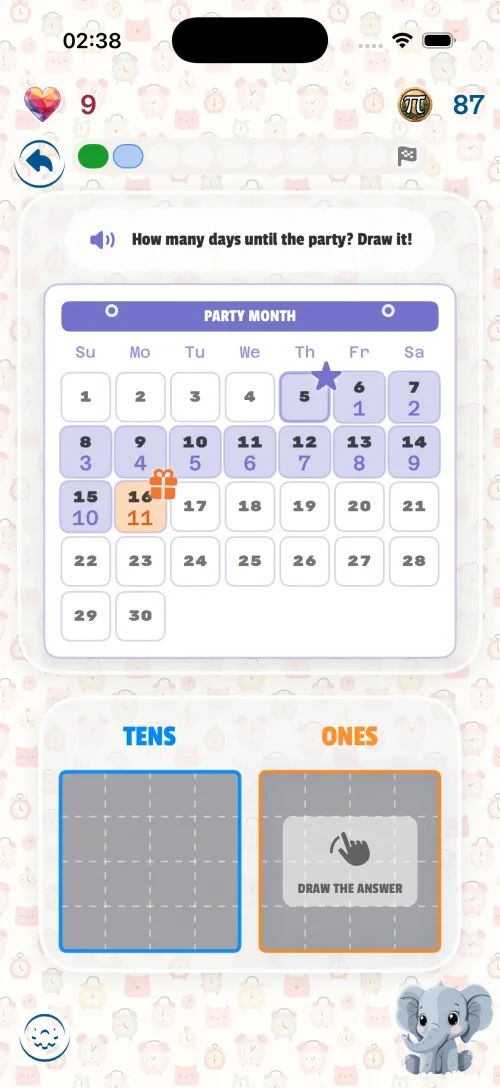
Eight playful lands and 100 mini-games reach far past 1‑2‑3: reading graphs, fractions, function machines, balancing sums, money and change, telling the time, temperature and the calendar — every answer drawn by hand, never tapped.
Learning they actually ask for
Most “learning apps” end up in the graveyard folder — kids can smell a lesson from across the room. Here they come back on their own: 99 animal friends to collect, new lands to unlock, and a happy cheer for every number they get right. The maths isn’t bolted onto a game. The maths is the game.
Built for the kind of screen time that ends with “can I do one more?” — about numbers.
No two rounds feel the same
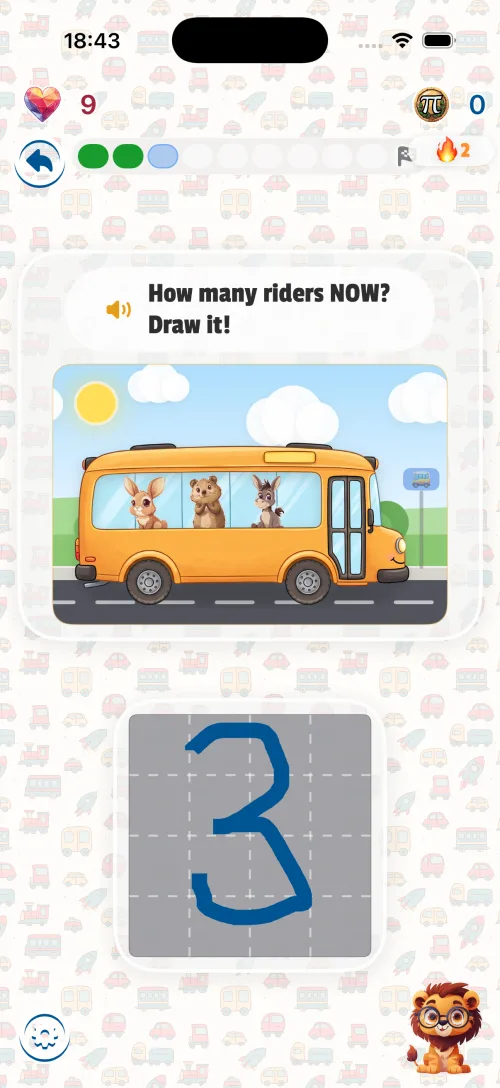
One round is a little story — riders hop on and off the bus, how many now? The next trains careful looking — count just the kiwis, not every fruit. Then numbers jump onto fingers. The games keep changing; one thing never does: your child writes the answer by hand, and every right one earns a proper cheer.
Nobody here is trying to keep your child hooked
No ads. No tracking. No endless feed nudging for one more minute. 99 Math Animals is built to be put down: your child finishes a game, meets a new animal, and stops. No one is fighting for their attention. That’s the whole point.
No accounts, no third-party ads, analytics or trackers, and no personal data leaves the device. Built to meet Apple's Kids Category requirements, COPPA and GDPR-K. Read our privacy policy.
Questions parents ask
What ages is it for?
Roughly ages 4 to 10, preschool through the first school years. The youngest start by counting to 9; older children reach tens and ones, adding, subtracting and times tables, so one app grows with your child.
Is it really free?
Yes. The whole game is free to play from start to finish. The only optional purchases are extra coins and an unlimited-hearts unlock, both always behind a parent gate and never needed to learn. There is no subscription.
Does my child need to read to play?
No. Prompts are spoken aloud and the play is visual, so children can play before they can read.
How does the handwriting recognition work?
Your child draws the answer with a finger and the app recognises the digit on the device. It is the same way they form numbers at school, not tapping a multiple-choice button.
Does it need an internet connection?
No, the game plays offline. The one thing that benefits from a connection is the premium natural narration voice; offline, it simply falls back to your device’s built-in voice.
What languages does it support?
English and Polish, switchable inside the app.
Does it work on iPad?
Yes. 99 Math Animals plays on both iPhone and iPad, and the interface scales to each screen.
Can more than one child play?
Yes. You can set up to five child profiles, each with its own progress, coins and animal collection, so siblings never overwrite each other’s adventure.
Can my child accidentally spend money?
No. Every purchase sits behind a parent gate that a child cannot pass, and iOS Ask to Buy is fully supported. Coins are earned by playing; paying is always optional and always a parent’s action.
Is there an Android version?
Not yet — 99 Math Animals is iOS-only for now, on iPhone and iPad. If you would like to hear when that changes, write to support@chili-logic.com.
How kids actually learn their numbers
Plain, honest notes from building this app. Useful even if you never install it.
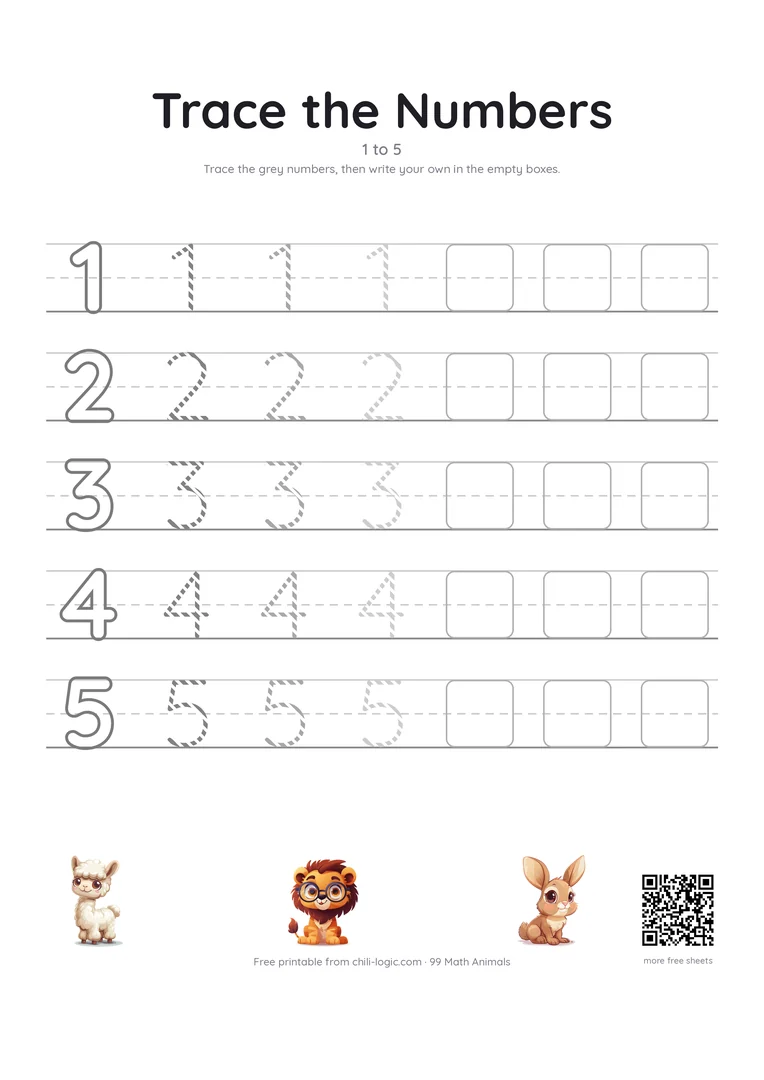
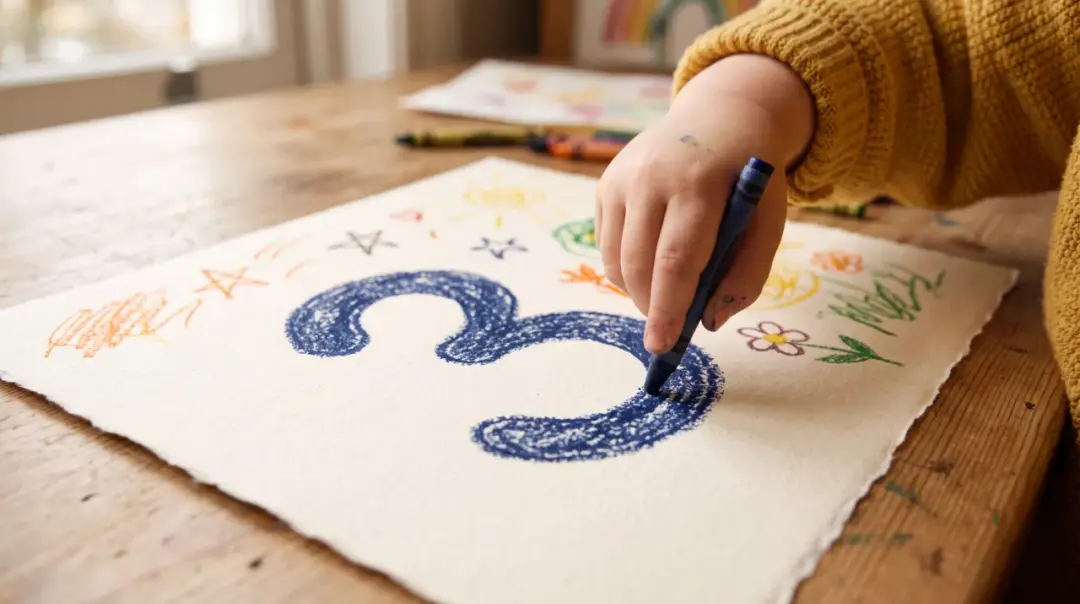 How to Teach a Child to Write NumbersA calm, practical guide to teaching number writing: readiness signs, which digits to start with, multisensory tips, and what the research does and doesn't say.
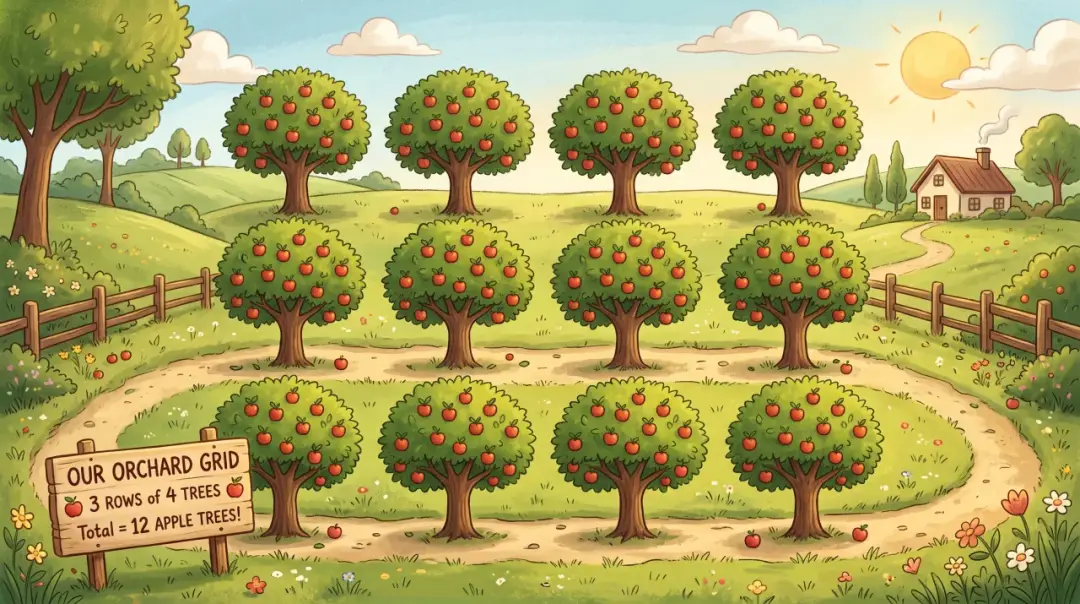 When Do Kids Learn Times Tables?Multiplication usually starts around ages 7 to 9, though the UK teaches it earlier than the US. Here is the typical timeline, the order that works, and how to help without pressure.
 How to Choose a Math App for Your KidA brand-neutral checklist for picking a kids math app, plus the red flags worth walking away from. We make one of these apps, so we tell you our bias up front.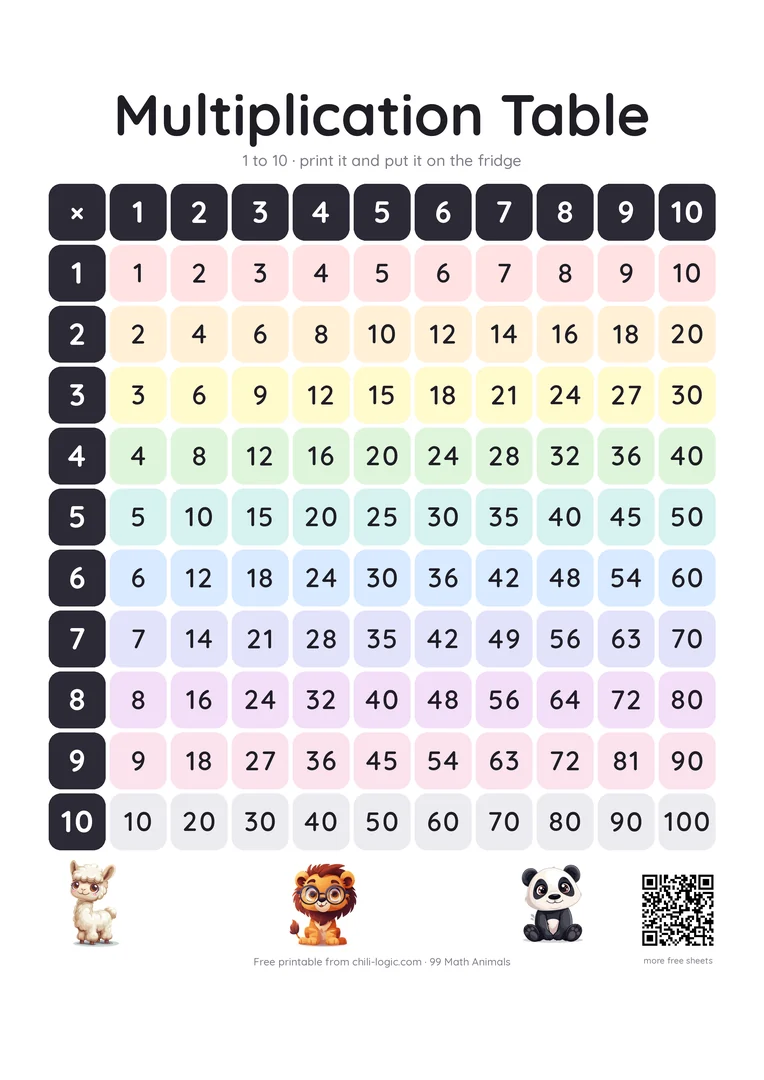
Start the adventure
Free to play from start to finish. The only optional extras are coin packs and an unlimited-hearts unlock, always behind a parent gate and never needed to learn. No subscription.
Questions? support@chili-logic.com
Made by a three-person studio — an engineer, a designer and a teacher. About us