



Notes for parents
Calm, honest notes on how young kids actually learn their numbers: writing digits, counting to 100, first times tables. Useful even if you never open our app.

Writing numbers
The messy years of forming digits, backwards 3s and all.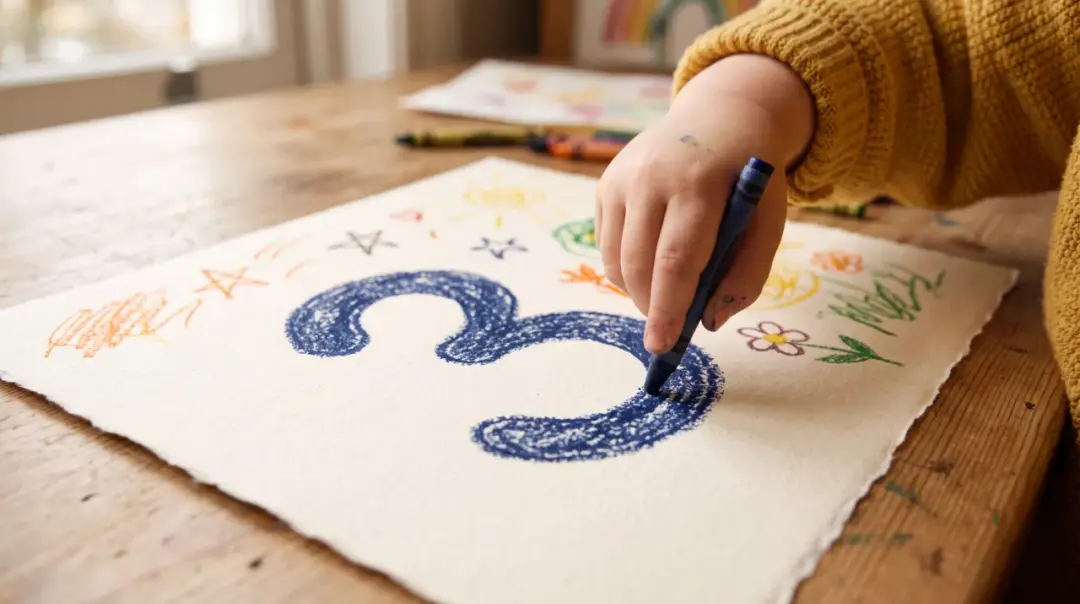
How to Teach a Child to Write Numbers
A calm, practical guide to teaching number writing: readiness signs, which digits to start with, multisensory tips, and what the research does and doesn't say.
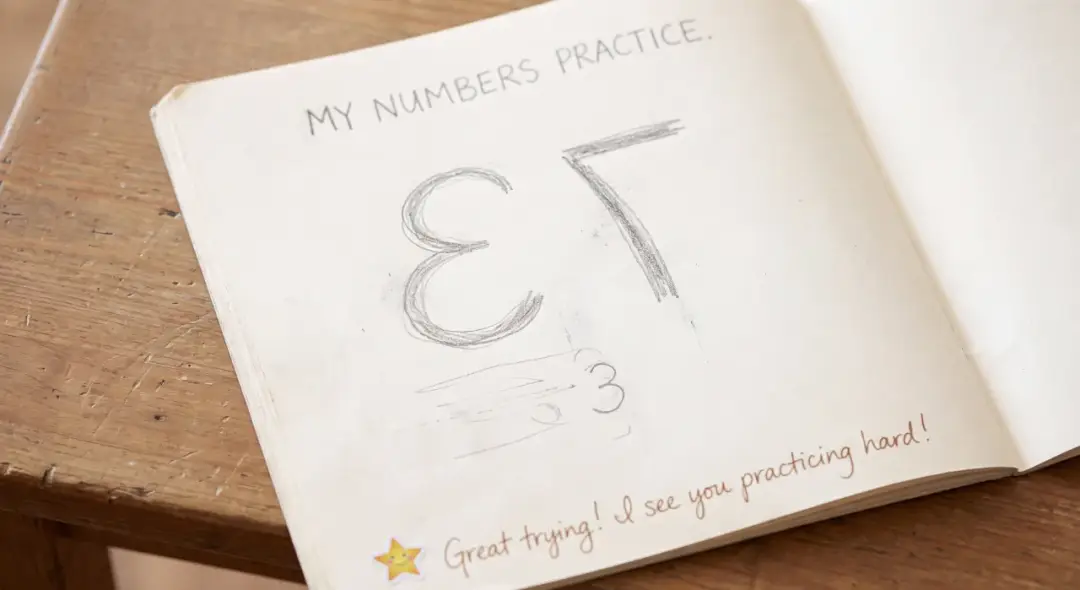
Why Do Kids Write Numbers Backwards (And When Not to Worry)
Reversed numbers are a normal part of learning to write, common for most kids up to about age 7. Here is why it happens, which digits get flipped most, and when it is worth asking a teacher.
Messy Handwriting or Dysgraphia?
Messy handwriting at 5, 6, even 7 is overwhelmingly normal — not a sign of dysgraphia. What dysgraphia actually is, and when it's genuinely worth asking a professional.
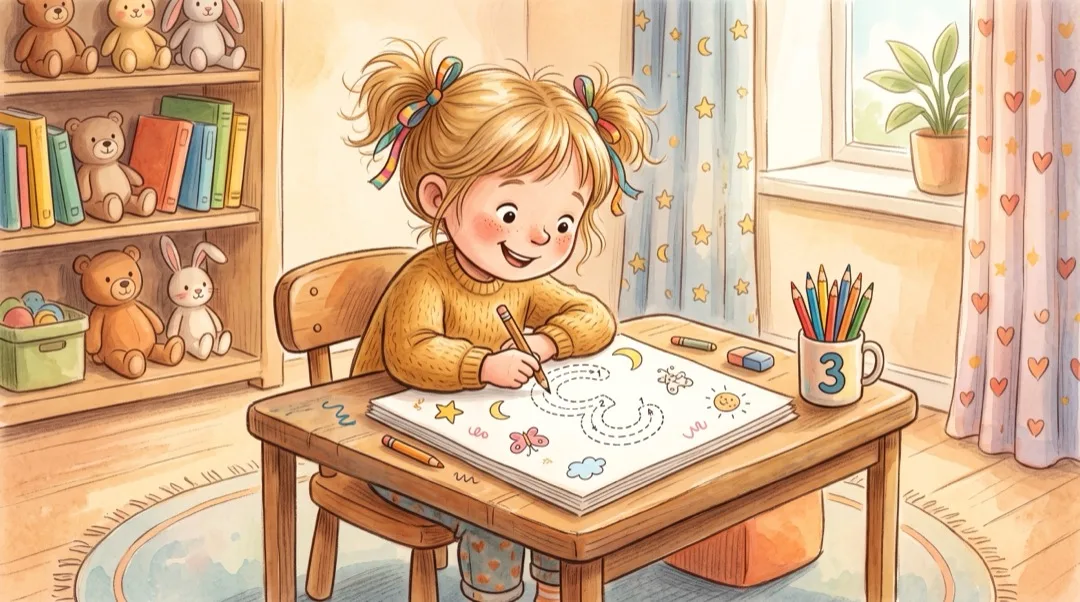
How to Use Number Tracing Worksheets
Tracing worksheets help most when the support fades and disappears, not when a child repeats the same fully-guided number over and over. The mistake that makes tracing close to pointless, and how to fix it.

Helping a Left-Handed Child Write Numbers
Most handwriting instruction quietly assumes a right-handed child. Left-handed kids need a different paper angle and a different pencil grip distance — small adjustments that make a real difference.
Counting milestones
When the milestones actually land, and why the charts disagree.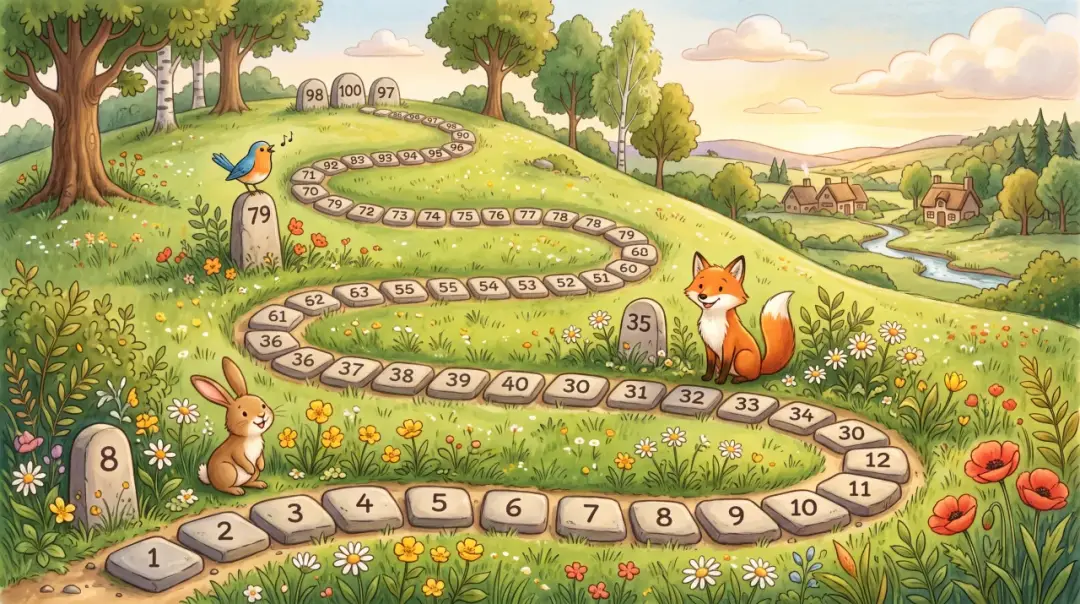
When Do Kids Learn to Count to 100?
Most children can recite the numbers to 100 around age 6, with a lot of normal variation. Reciting almost always comes before real understanding.
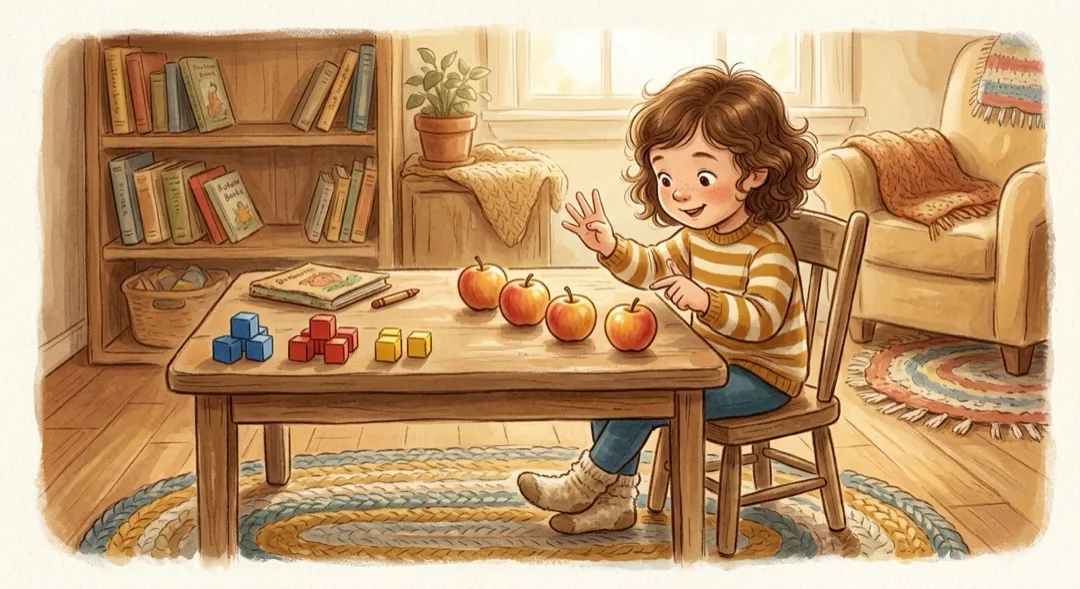
What Math Should a 5-Year-Old Know? (And What Can Wait)
Counting a small pile, recognizing most digits, knowing which plate has more — that is roughly age five. The honest ranges, a 4-to-6 milestone table, and the list of things that are safe to ignore.
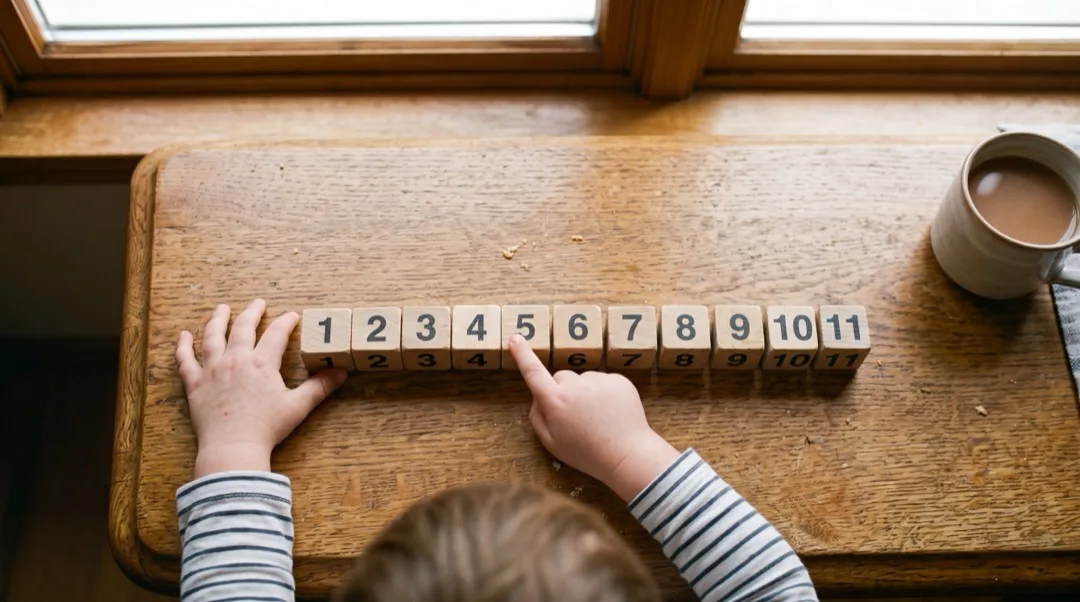
When Do Kids Learn Addition and Subtraction? Ages & Stages
Adding real things starts around 4 to 5, fingers carry sums to 10 by 6, and mental math settles around 7 to 8. The honest timeline, what number bonds are, and the three stages every child moves through.

When Do Kids Learn Times Tables?
Multiplication usually starts around ages 7 to 9, though the UK teaches it earlier than the US. Here is the typical timeline, the order that works, and how to help without pressure.
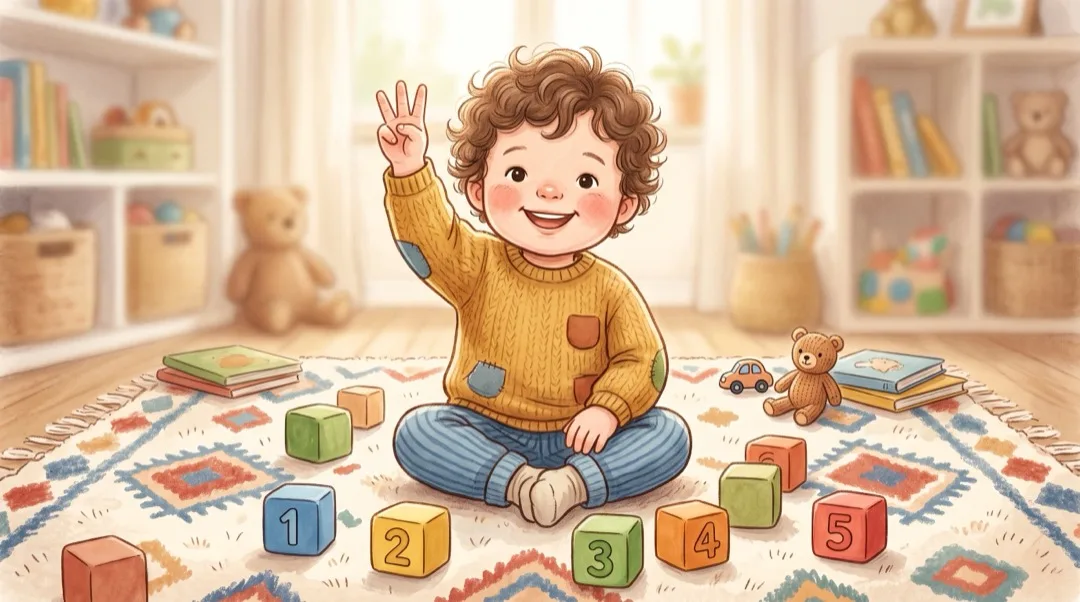
When Do Kids Learn to Count to 10?
Most toddlers can sing the numbers to 10 well before they can count ten real things — and that gap is completely normal. The honest order kids move through, age 2 to 4.
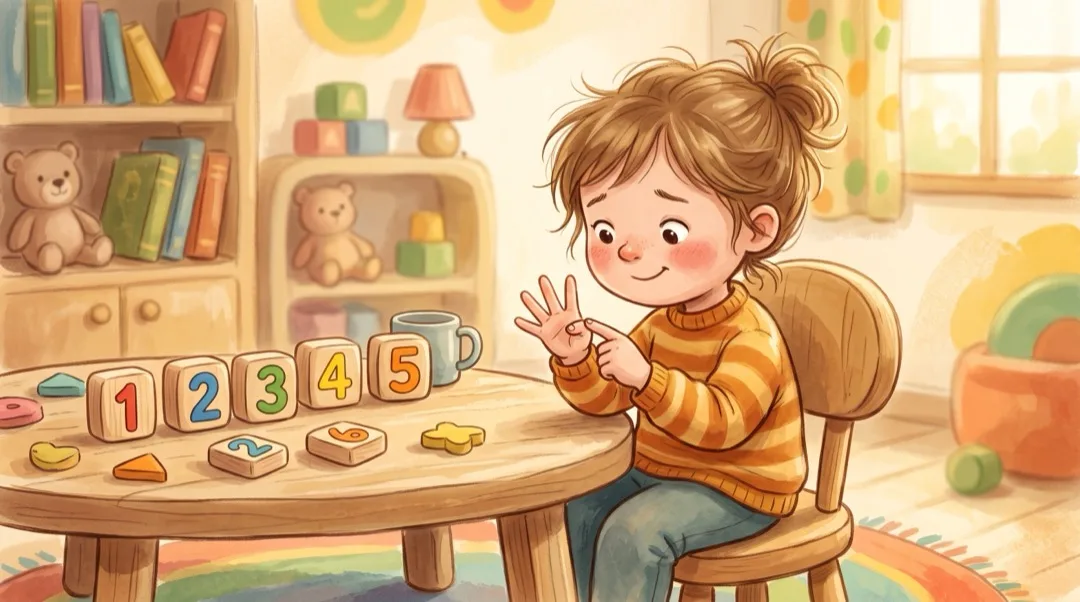
Is Counting on Fingers Bad?
No, it isn't — brain research on "finger gnosis" suggests finger counting supports number sense rather than blocking it. What the research actually says, and the one situation genuinely worth a second look.
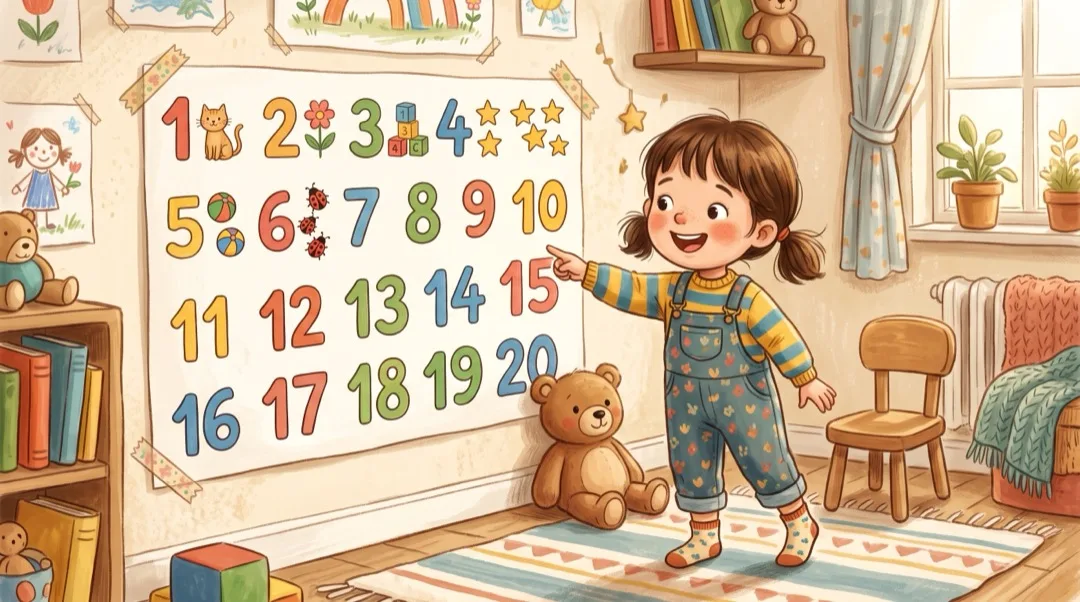
When Do Kids Recognize Numbers?
Most children can name a few digits by 3 and most of 0 to 9 by around 5 — recognizing a number is a different skill from counting or writing one. The honest ages, the digit pairs kids mix up most, and how to help.

How to Teach Skip Counting (2s, 5s, and 10s)
Skip counting by 2s, 5s, and 10s is the quiet skill that makes times tables click later. When it usually shows up, the easiest order to teach it, and simple ways to practice.
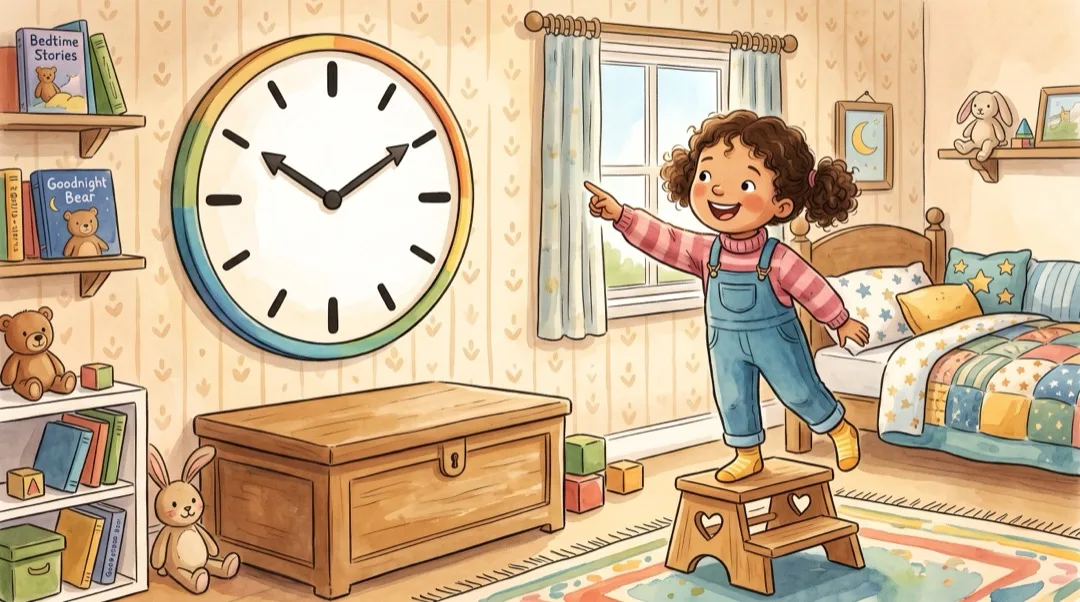
How to Teach a Child to Tell Time
Analog time-telling still matters even in a digital-clock world. The stage-by-stage order that works best, why the hour hand trips kids up, and how long it really takes.

How to Teach a Child to Count Money
Counting money is really skip counting wearing a disguise — pennies, nickels, and dimes all follow patterns kids already half-know. The coin to start with, and why quarters are the one that breaks the pattern.
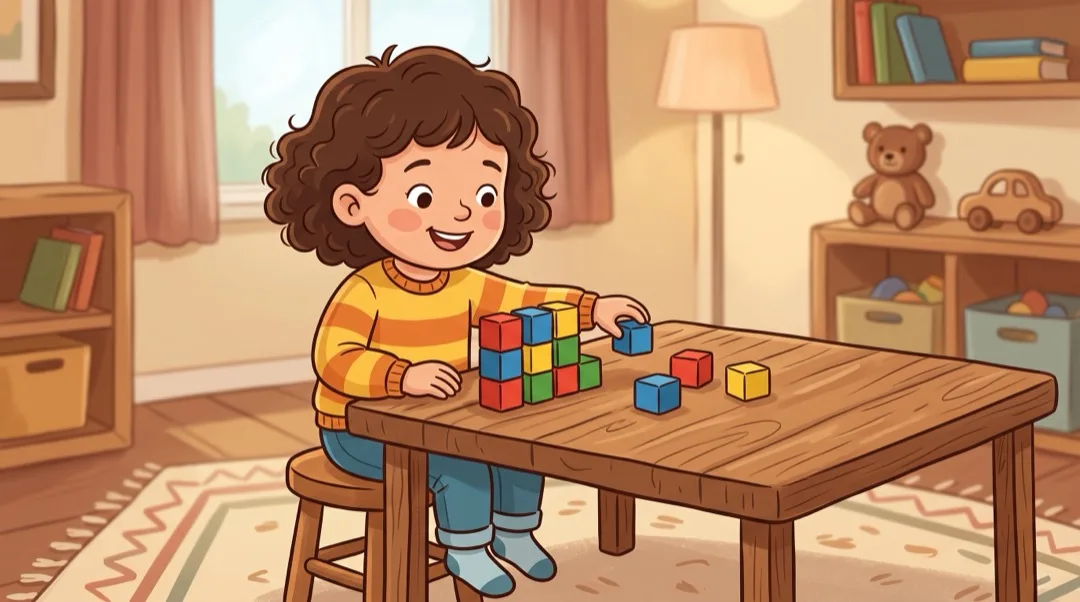
What Is Place Value? (Tens and Ones, Explained)
Place value quietly sits underneath skip counting, addition, and counting money, but almost nobody explains it directly. What the term actually means, when it clicks, and a real tell that it hasn't yet.
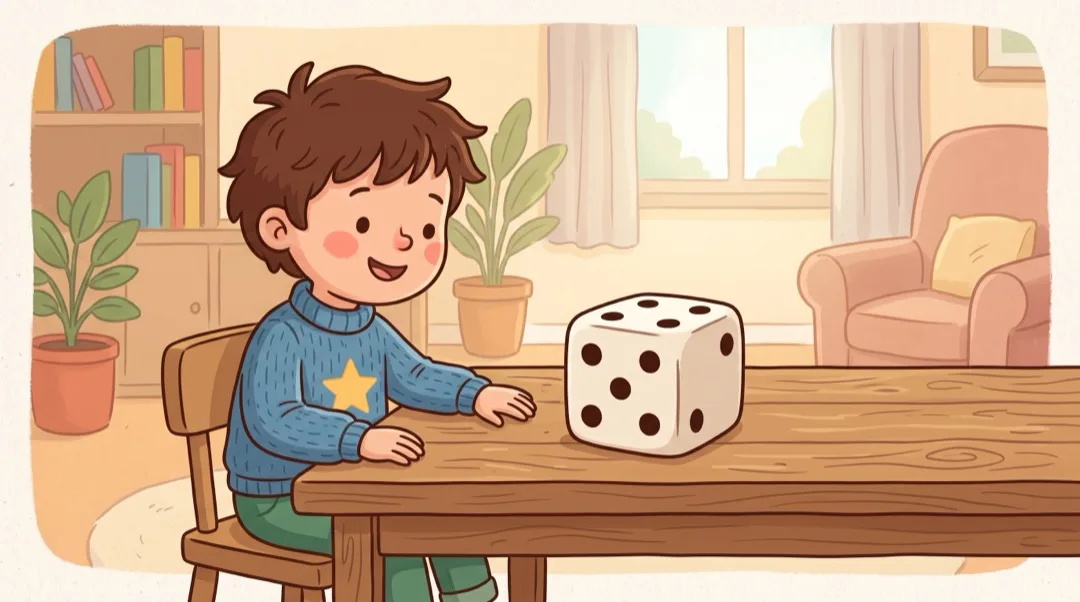
What Is Subitizing? (Seeing a Number Without Counting)
Subitizing is glancing at a small group and just knowing how many, no counting required. It shows up on this site as a passing mention, but it's foundational enough to deserve its own explanation.
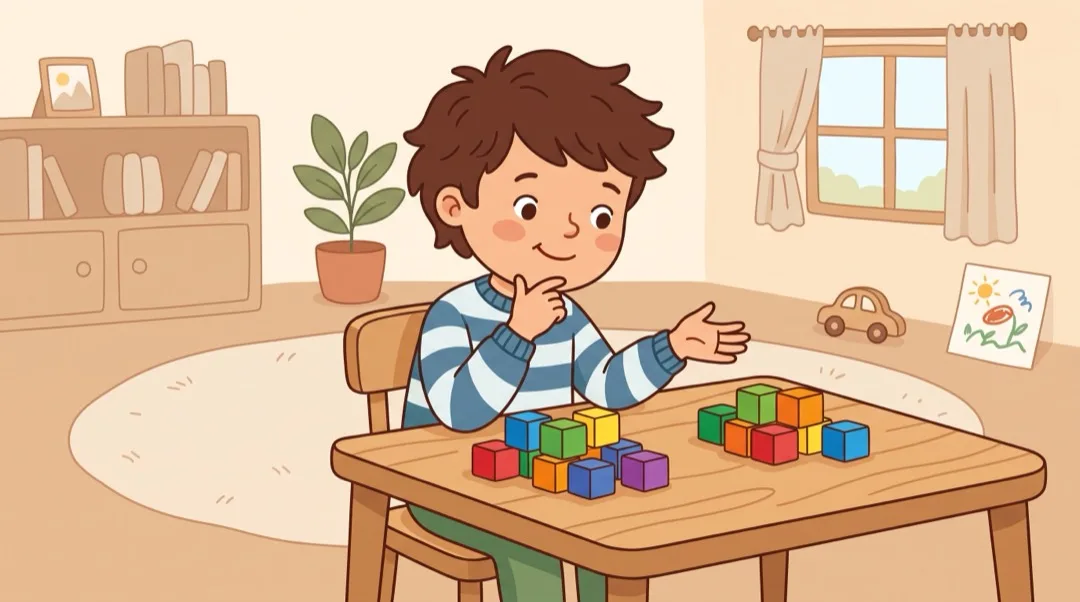
Struggling With Math or Dyscalculia?
Finding math frustrating at 5, 6, or 7 is overwhelmingly normal — not a sign of dyscalculia. What dyscalculia actually is, how common it really is, and when it's genuinely worth asking a professional.

My 2-Year-Old Can Count to 10 — Is That Advanced?
A 2-year-old reciting to 10 is ahead of the middle — and usually a memorized rhyme, not counting yet. That is the normal first step, arriving early. Three questions tell you which one you are hearing.
Practice at home
Short, playful things to do with the stuff already on your table.
Math Anxiety in Young Children: Where It Starts, What Helps
Stomachaches before math, tears over homework, a flat "I'm just not a math person" at age six — math anxiety is common, and it responds well to a few concrete changes at home. Where it starts, what makes it worse, and the scripts that actually help.

How to Memorize Times Tables (The Calm Way That Sticks)
The 100-square wall chart hides a friendly secret: only about 21 facts need real memorizing. How recall actually works, a five-minute routine that sticks, and the games that replace speed drills.

Ways to Practice Numbers at Home
Short, playful, low-prep ways to practice numbers using things you already own. Little and often, follow the child's lead, praise the effort.

How to Choose a Math App for Your Kid
A brand-neutral checklist for picking a kids math app, plus the red flags worth walking away from. We make one of these apps, so we tell you our bias up front.

The Summer Math Slide: Is It Real?
Summer learning loss is real — but for most young kids it's mild rust, not lost understanding, and it comes back fast. Simple ways to ease back in before school starts.

Does Educational Screen Time Count as Screen Time?
There's no official rule that educational apps don't count toward screen time limits. What the guidelines actually emphasize instead, and a practical way to think about the difference.

Back-to-School Math: Building a Routine That Sticks
Wondering how much math help your child needs in the first weeks back? What's a normal adjustment, what's worth a note to the teacher, and how to build a routine that sticks.

How to help with math homework without a fight
If math homework ends in tears most nights, the problem may not be the math. What the research actually says about helping — and four changes that make the evening shorter.