


How to Teach Skip Counting (2s, 5s, and 10s)
In this article
Skip counting is reciting a number sequence by jumping a fixed amount each time — 2, 4, 6, 8 instead of 1, 2, 3, 4 — and it's usually introduced once a child counts to 100 comfortably, roughly age 6 to 7.
Short answer: start with 10s, the most intuitive since it mirrors place value, then 2s, then 5s, and lean on real objects grouped in that amount rather than just reciting the sequence out loud — the physical grouping is what eventually turns into an understanding of multiplication, not just a memorized chant.
We make a counting app built on exactly this groundwork — small groups of animals a child counts before writing the answer — so skip counting is a skill we think about beyond just this article. Below: what skip counting actually is, why the teaching order matters more than people expect, and simple ways to practice it that don't need a worksheet.
What exactly is skip counting?
It's counting by a fixed interval instead of by ones: 2, 4, 6, 8, 10 by 2s, or 5, 10, 15, 20 by 5s, or 10, 20, 30, 40 by 10s. It sounds like a small trick, but it's one of the load-bearing skills between basic counting and multiplication — every times table is, underneath, a skip-counting sequence a child eventually memorizes instead of re-counting each time.
When do kids usually learn to skip count?
Most classrooms introduce it once a child counts to 100 with reasonable fluency, typically somewhere in the first- and second-grade window, starting with 10s and 2s and adding 5s soon after. Skip counting by other numbers — 3s, 4s, and beyond — tends to come later, often alongside formal times tables rather than before them.
What's the easiest order to teach it in?
10s first, then 2s, then 5s tends to go smoothest, and there's a real reason for it, not just convention:
- 10s lean on place value a child half-already knows. 10, 20, 30 is really just "one ten, two tens, three tens" — the same pattern behind the two-digit numbers they've already been reading.
- 2s match something physical and familiar. Shoes, socks, hands, eyes — a child already has a felt sense of "twos" before a single lesson.
- 5s are the odd one out, digit-wise. The pattern alternates a 5 and a 0 in the ones place, which is genuinely a little harder to hold in memory than the other two — worth expecting a slower start here, not a sign anything's wrong.
Does skip counting actually help with times tables later?
| Skip count by | First five steps | Matches |
|---|---|---|
| 2s | 2, 4, 6, 8, 10 | 2 × 1 through 2 × 5 |
| 5s | 5, 10, 15, 20, 25 | 5 × 1 through 5 × 5 |
| 10s | 10, 20, 30, 40, 50 | 10 × 1 through 10 × 5 |
That overlap is exactly why skip counting matters — a child who can already rattle off "2, 4, 6, 8, 10" has, without realizing it, already memorized half of the 2 times table. How to memorize times tables picks up from exactly this point.
Simple ways to practice (no worksheet required)
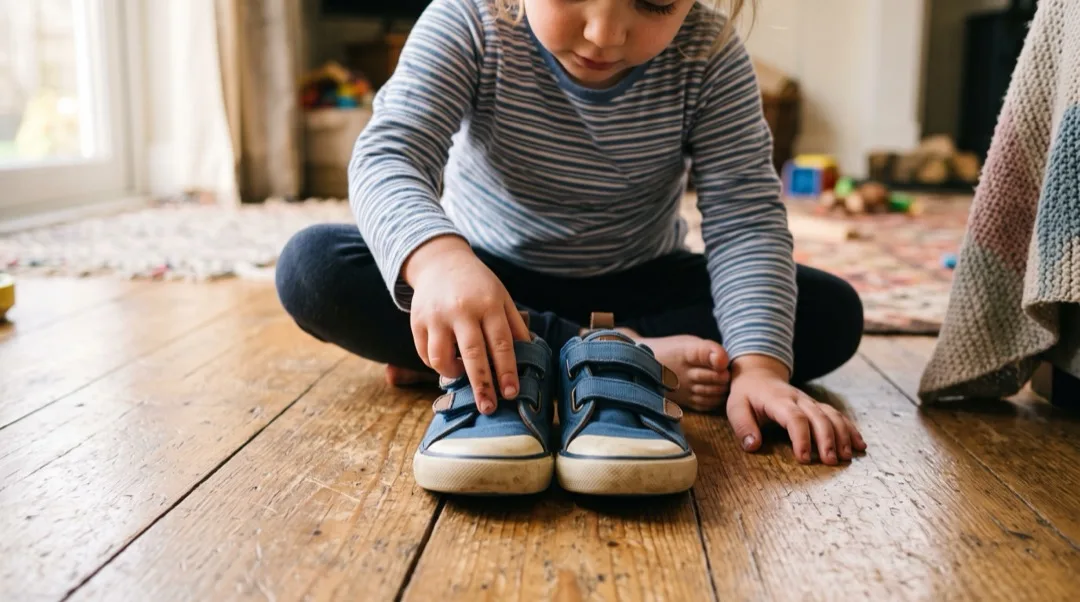
- Count real groups, not just numbers. Shoes in pairs, fingers in fives, fingers-and-toes in tens — point at the group, not just say the number.
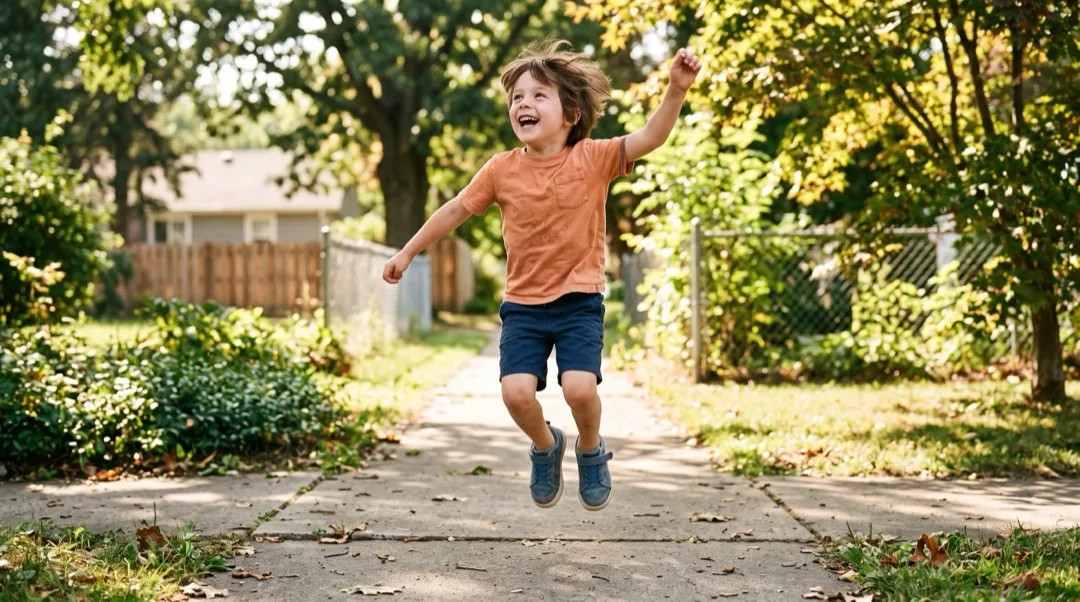
- Use motion. Hop, clap, or step on each count — skip counting is genuinely easier to hold onto when it's tied to a physical beat, not just spoken.
- Stop and restart from the middle. Once the start-to-finish chant is easy, ask them to continue from "20" instead of always starting at zero — that's what separates real fluency from a memorized song.
My child can chant the sequence but doesn't seem to "get" it — is that normal?
Very. Reciting "2, 4, 6, 8, 10" and understanding that it means five groups of two are two different skills, and the chant almost always arrives first — the same pattern as counting itself, where a child can recite "1, 2, 3" long before understanding what quantity "3" actually points to. Pairing the chant with real, countable groups, not just numbers in the air, is what closes that gap over time, not more repetition of the chant alone.
Questions parents ask
What is skip counting?
Skip counting means counting by a fixed interval instead of by ones — 2, 4, 6, 8 instead of 1, 2, 3, 4. It's usually taught with 2s, 5s, and 10s first, and it becomes the foundation for times tables, telling time, and counting money.
What age do kids learn skip counting?
Most children start once they can count to 100 fluently, typically in the first- and second-grade window, roughly age 6 to 7. 10s and 2s usually come first, with 5s soon after; other numbers tend to come later, alongside formal times tables.
Should I teach skip counting by 2s, 5s, or 10s first?
10s tend to be easiest since they mirror place value your child already half-knows, followed by 2s, which match familiar real-world pairs like shoes and hands. 5s are usually a little harder, since the digit pattern alternates 5 and 0 — a slower start there is normal, not a sign of a problem.
Does skip counting replace learning times tables?
No, but it's the on-ramp to them. A child who can skip count by 2s to 10 has effectively already memorized half the 2 times table without realizing it — skip counting builds the pattern, and times-table practice turns that pattern into instant recall.