


When Do Kids Recognize Numbers?
In this article
Most children can name a few digits by around age 3, recognize most of the digits 0 to 9 by about 4 to 5, and reliably tell all of them apart, including trickier look-alikes, by 5 to 6.
Short answer: recognizing a written digit (knowing that "7" is called "seven") is a separate skill from reciting numbers aloud or writing them by hand, and it usually lands somewhere between the two — later than rote counting, earlier than confident handwriting. Confusing specific digits, especially 6 and 9 or 1 and 7, is extremely common and mostly resolves on its own.
We built the handwriting recognizer inside 99 Math Animals, the part that reads a digit a child draws with a finger, so we have an unusually direct view of exactly which digits children mix up and when recognition clicks into place. Below is the honest age range, the specific digit pairs that trip kids up most, and what actually helps.
What does "recognizing numbers" actually mean?
Recognition is narrower than it sounds. It means looking at a written digit and knowing what it is called, or pointing to the right digit when you say its name out loud — matching a symbol to a word.
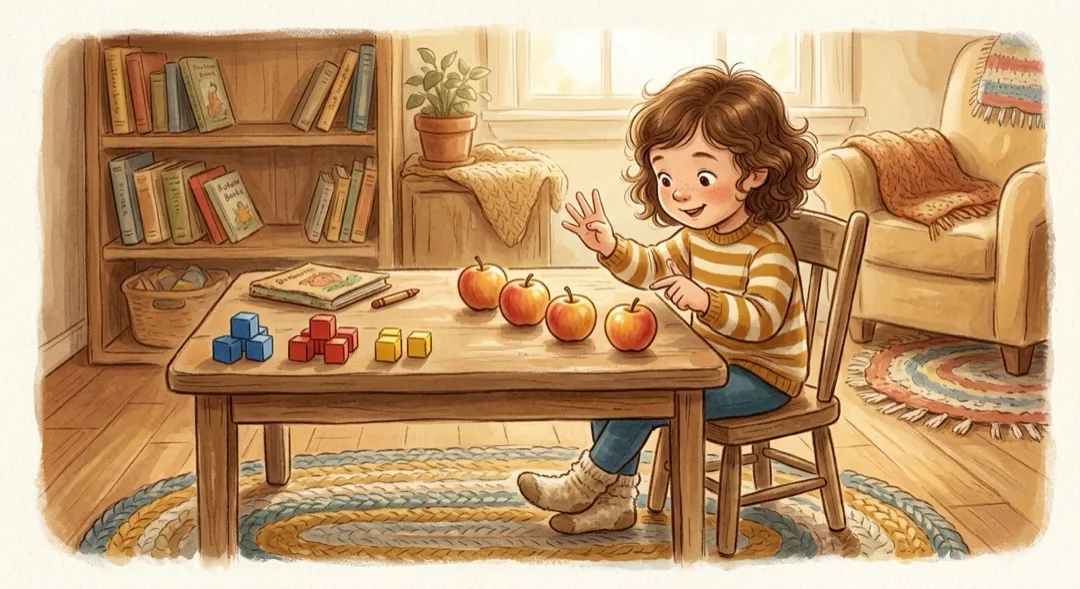
It does not require understanding what the digit means (that is counting and cardinality, a separate skill we cover in when do kids learn to count to 100), and it does not require being able to draw it (that is handwriting, covered in how to teach a child to write numbers). A child can often name "5" correctly long before they can count five real objects or write a recognizable 5 themselves.
The rough order: recognizing, counting, writing
These three skills develop on overlapping but distinct timelines:
| Skill | What it involves | Rough timing |
|---|---|---|
| Reciting numbers | Saying number words in order, like a rhyme | Often starts earliest, around 2 to 3 |
| Recognizing digits | Naming or pointing to a written digit correctly | Usually follows, most of 0-9 by about 4 to 5 |
| Counting objects | Touching each item once and landing on the right total | Develops alongside recognition, often a bit behind it |
| Writing digits | Forming a recognizable digit by hand | Usually last, most digits recognizable by 4 to 6 |
Which numbers do kids recognize first — and confuse most?
Low, frequently-seen digits tend to click first: 1, 2, and 3, plus whatever number shows up in a child's own life, like their age or a house number. Certain digits get mixed up for genuinely visual reasons, and the mix-ups are so consistent that we can see them clearly in our own handwriting data:
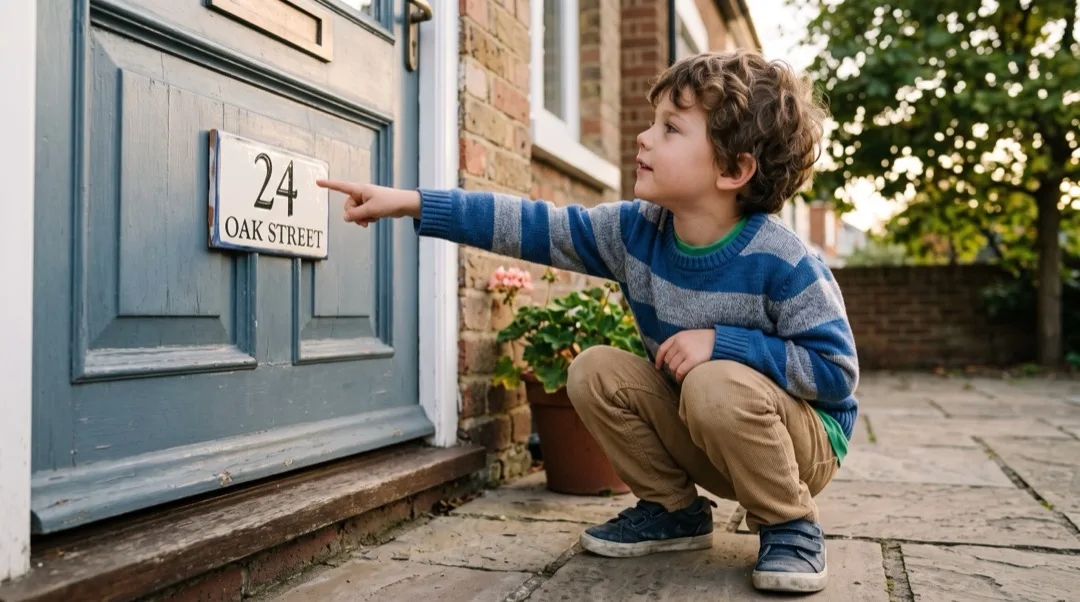
- 6 and 9 are near-mirror images of each other — flip one and you get the other, so telling them apart is a real visual task, not a memory slip.
- 1 and 7 get confused especially in handwriting: a 7 written with a small crossbar, or a plain 1, can look like the other at a glance.
- 2 and 5 and 3 and 8 are mixed up less often, but still show up, usually because of similar curves rather than a mirror relationship.
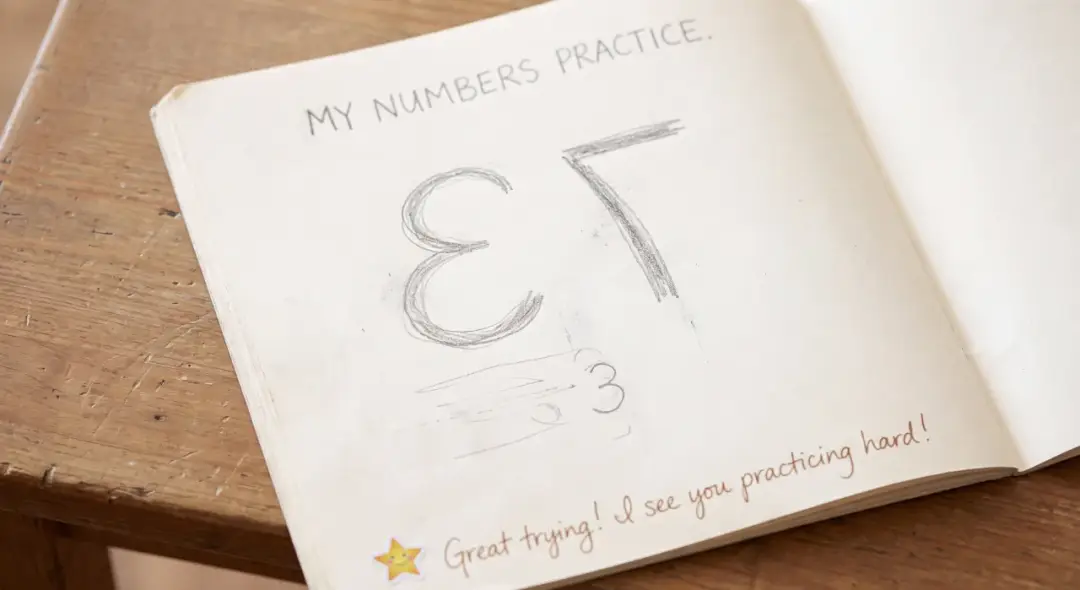
None of this is a warning sign. It is a completely ordinary part of learning a small set of visually similar symbols, and it settles down with exposure over time.
How to help numbers click
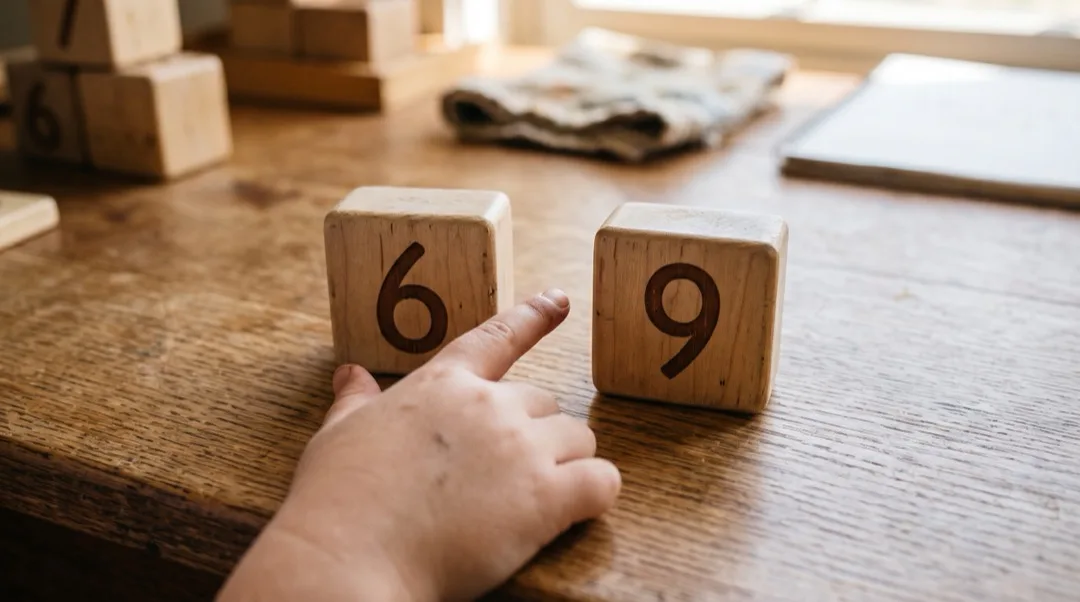
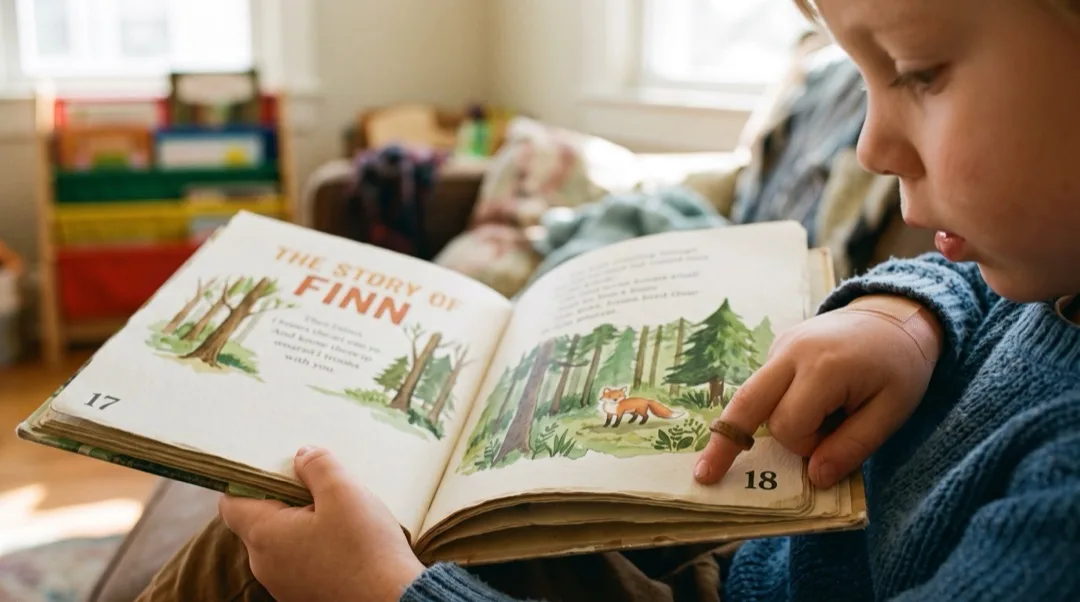
- Point out digits in the real world: house numbers, bus numbers, clock faces, page numbers in a favorite book.
- Say the name every time you point, out loud, without quizzing — naming is the goal, not testing.
- For a specific mix-up like 6/9, a small verbal anchor helps: "the 9 has its tail at the top."
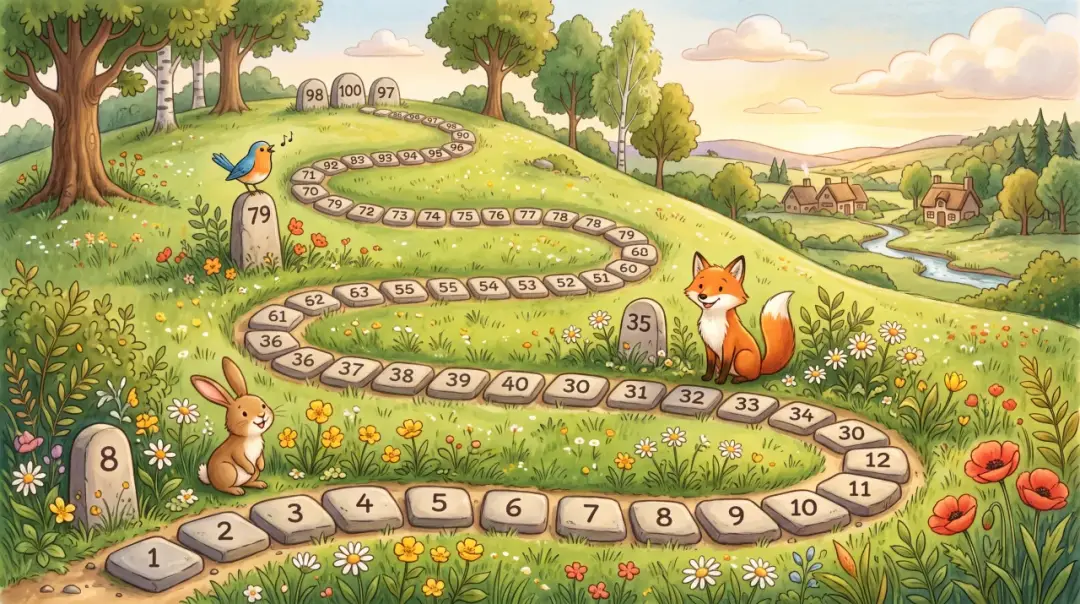
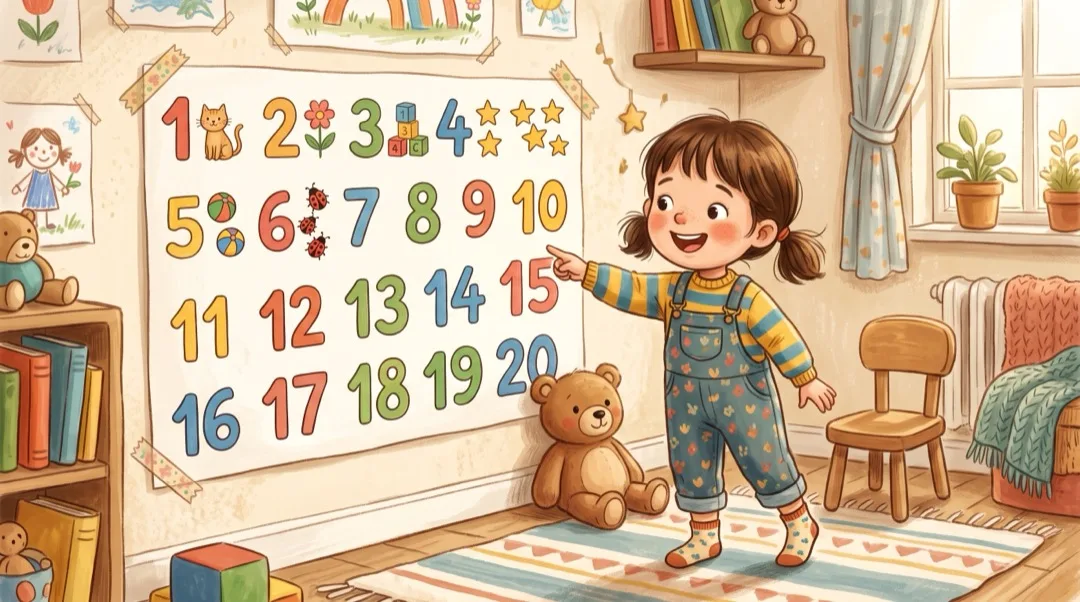
- Keep a simple number chart somewhere your child glances at often — more useful as a passive reference than a lesson.
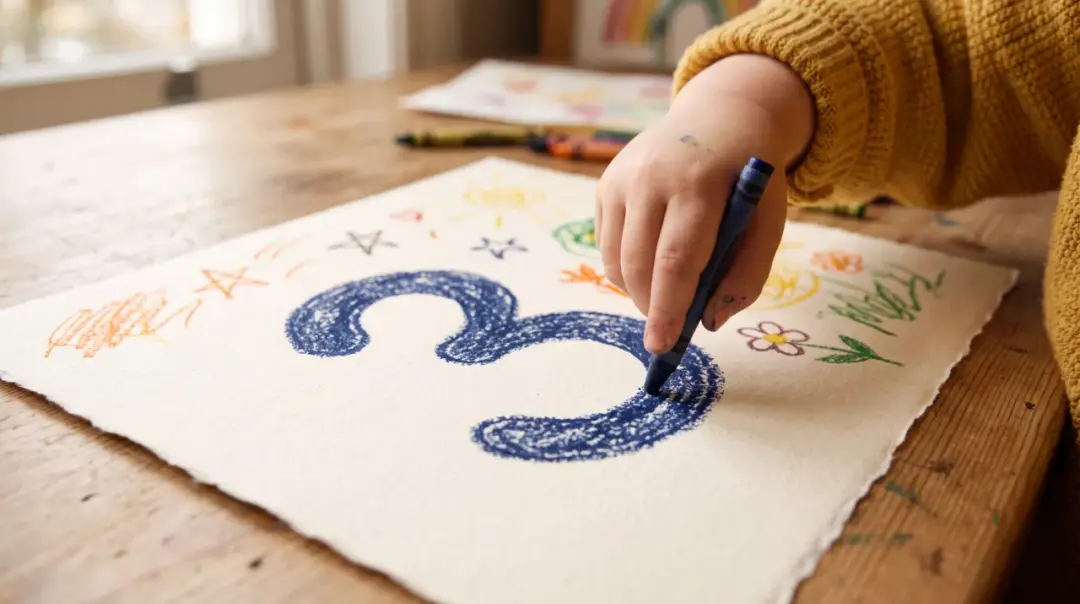
- Let recognition lead writing, not the other way around: a child who can reliably name a digit is in a good position to start drawing it.
Are 6/9 or 1/7 mix-ups a sign of dyslexia?
No, not on their own — this is a close cousin of a myth we address in why kids write numbers backwards. Confusing visually similar digits, much like reversing a letter, is a normal part of early symbol learning, not evidence of a reading or learning difference by itself.
When is it worth asking someone?
Almost never this early. It is worth a calm conversation with your child's teacher or your pediatrician if digit confusion is still frequent and widespread well past age 6 or 7, especially alongside other struggles like difficulty learning to read or remembering shapes generally. A teacher who sees dozens of children the same age is the fastest, most useful person to ask whether what you are seeing is typical.
Questions parents ask
At what age should a child recognize all the numbers 0 to 9?
Most children recognize most of the digits 0 to 9 by around age 4 to 5, with all of them, including trickier ones, solid by about 6. It varies a good deal, and recognizing a few digits by 3 is also completely normal.
Why does my child always mix up 6 and 9?
Because 6 and 9 are genuine mirror images of each other, so telling them apart is a real visual skill, not a memory problem. It is one of the most common digit mix-ups and it is not a sign of a bigger issue.
Is recognizing numbers the same as understanding them?
No. Recognizing a digit means knowing its name on sight. Understanding what it means — that "5" corresponds to five real things — is a separate skill called cardinality, and it develops alongside recognition rather than automatically from it.
Should I worry if my 5-year-old still confuses some numbers?
Generally no. Digit mix-ups, especially 6/9 and 1/7, are common well into the early school years and usually resolve with ordinary exposure. It is worth mentioning to a teacher only if confusion is widespread and persists well past 6 or 7.